
What Is Dr. Gundry’s Plant Paradox Diet? Full Guide, Benefits, and How It Works


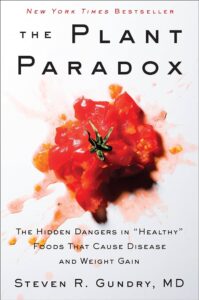 Many people think all plant-based foods are automatically healthy, but the truth is more surprising and empowering. In The Plant Paradox, I reveal how certain plant compounds, called lectins, can quietly harm your body, and how you can still enjoy delicious, satisfying foods that actually nourish you. In this article, I’ll walk you through how the diet works, what a typical day of eating looks like, and how small, smart changes can help you feel lighter, more energetic, and healthier than ever.
What Is Dr. Gundry’s Plant Paradox Diet? A Deep Dive
If you’re curious about the Plant Paradox Diet, you’re not alone. Over the past decade, hundreds of thousands of people around the world have discovered that certain “healthy” foods were quietly contributing to their weight gain, autoimmune symptoms, digestive issues, fatigue, brain fog, and inflammation. Once they removed a very specific category of plant compounds from their diet, lectins, they began to feel like an entirely new version of themselves.
Now, I’ll be the first to say it: plants are incredible. Plants are medicine. Plants built the foundation of human health long before we ever discovered supplements, pharmaceuticals, or medical procedures. But there’s a second truth that most people have never considered: plants don’t want to be eaten. They can’t run or fight, but they can defend themselves chemically. And one of their most powerful defense mechanisms is a family of proteins called lectins.
The Plant Paradox Diet is built around this simple idea: eat the plants that love you back and avoid plants that are actively working against your health. By doing this, your gut calms down, your immune system can finally relax, inflammation drops, your energy returns, your metabolism begins functioning the way it was designed to, and your body can shift from survival mode to healing mode.
 What Are Lectins and Why Are They a Hidden Problem in the Modern Diet?
Lectins are sticky plant proteins that bind to sugar molecules, and they’re found in a surprising number of foods people have long believed were the backbone of a healthy diet. Wheat, oats, barley, beans, lentils, quinoa, peanuts, cashews, tomatoes, and many more all contain lectins. Lectins weren’t designed for human benefit. They evolved to protect the plant by making predators (including us) sick enough to avoid eating them.
When a lectin reaches the digestive tract, it begins searching for sugar molecules to bind to. Your gut lining only a single cell thick is held together by tight junctions, a bit like children locking arms in a game of Red Rover. Lectins disrupt these junctions, prying them open and slipping into the bloodstream along with partially digested food particles and endotoxins. This phenomenon is called leaky gut, and it’s the spark that ignites everything from weight gain and immune dysfunction to hormonal imbalance and chronic inflammation.
Once these lectins enter the bloodstream, the immune system launches a full assault, recognizing them as invaders. For many people, this ongoing battle leads to autoimmune reactions, where the immune system begins confusing the body’s own tissues for foreign threats. Conditions like rheumatoid arthritis, Hashimoto’s thyroiditis, lupus, psoriasis, IBS, and even neurological issues can be traced back to immune confusion triggered by lectin-driven gut damage.
And here’s the piece that surprises most people humans simply haven’t been eating these lectin-rich foods long enough to evolve proper defenses. Agriculture is a new invention in evolutionary time. Wheat, beans, and many common vegetables were not major parts of our diet until roughly 10,000 years ago which is far too short a period for the microbiome or immune system to adapt.
Even more recent additions, such as squash, peppers, corn, quinoa, and other New World foods, only became part of the human diet within the last 500 years. That’s the blink of an eye in evolutionary terms. So while these foods may look natural and wholesome today, they are “foreign” from an evolutionary perspective, and your gut recognizes them as such.
Why Does Modern Life Make Lectins Even More Dangerous?
In ancestral times, lectin-containing foods were handled in ways that reduced their toxicity. Many cultures peeled, deseeded, soaked, fermented, sprouted, or pressure-cooked their foods to neutralize lectins. But the modern world has abandoned these traditional methods in exchange for speed and convenience. Alongside this, we now consume far more grains, beans, processed oils, and year-round fruits than at any other time in human history.
But it’s not just the foods themselves that create the problem. It’s the environment we live in. Broad-spectrum antibiotics both those prescribed in clinics and those hidden in conventionally raised meat wipe out the protective gut bacteria that used to help neutralize lectins. NSAIDs like ibuprofen and naproxen physically damage the gut lining. Acid blockers weaken digestion and allow lectins to survive the stomach. Artificial sweeteners kill beneficial gut microbes. Plastics and endocrine disruptors stress metabolism and immunity. And glyphosate the active ingredient in Roundup disrupts the microbiome and damages the intestinal wall.
In other words, your gut is taking multiple hits every single day. And lectins are the final blow that pushes many people into inflammation, weight gain, autoimmune reactions, and chronic illness.
So What Is the Plant Paradox Diet?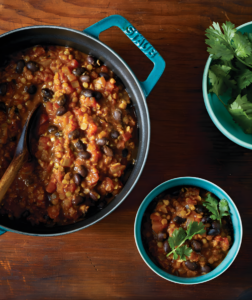
Dr. Gundry’s Plant Paradox Diet is a scientific, gut-centered approach to eating that removes the most harmful lectin-containing foods while emphasizing the plants, fats, proteins, and fibers that nourish the gut lining, support mitochondrial health, and feed your beneficial bacteria.
Instead of focusing on calories, macros, or deprivation, the Plant Paradox framework focuses on removing the constant sources of inflammation so your body can finally do what it was designed to do to heal.
When people adopt this way of eating, what they often notice first is a deep, steady rise in energy. Digestive issues calm down. Food cravings disappear. The brain fog lifts. Joint pain eases. And weight begins to normalize not because of calorie restriction, but because hormonal and metabolic signaling finally begin functioning properly again.
What Does the Plant Paradox Diet Actually Look Like?
At its core, the Plant Paradox Diet emphasizes low-lectin vegetables, healthy fats, wild-caught seafood, pastured poultry, omega-3 eggs, modest amounts of grass-fed meat, resistant starches, and small portions of in-season fruit. Meals are built around colorful plants, polyphenol-rich herbs, leafy greens, cruciferous vegetables, avocados, olives, nuts (except peanuts and cashews), and high-quality protein.
A huge amount of nourishment comes from olive oil, which has extraordinary anti-inflammatory properties. In my clinics, I often encourage patients to aim for at least a liter of olive oil per week. The Mediterranean diet gets its power from olive oil not wheat, tomatoes, or pasta.
On the carbohydrate side, the diet includes what I call resistant starches foods like green bananas, green plantains, cassava, sweet potatoes, and taro. These starches don’t spike your blood sugar. Instead, they feed the beneficial gut bacteria that support immunity and metabolism.
When it comes to grains, the Plant Paradox Diet includes only two naturally lectin-free options: millet and sorghum. Both offer minerals, polyphenols, and gut-friendly nutrition without the inflammatory side effects associated with wheat, oats, corn, and barley.
Dairy is included with intention and nuance. Most modern cow’s milk contains a problematic protein called casein A1, which behaves like a lectin and can trigger inflammation. But dairy from goats, sheep, water buffalo, or A2-only European cows is often well tolerated. When people switch from A1 dairy to A2 dairy, they’re surprised at how radically their digestion improves.
Fruit plays a smaller role than many expect. Our ancestors only consumed fruit seasonally mainly as a signal to store fat for the winter. For that reason, the Plant Paradox Diet treats fruit as nature’s candy: enjoyable in season, but not something to build a diet around. The exception is unripe tropical fruit like green bananas, papayas, and mangoes, which provide resistant starch rather than sugar.
What Does the Plant Paradox Diet Leave Out and Why Does It Matter?
Equally important to what the diet includes is what it avoids. High-lectin foods like wheat, oats, barley, rice, beans, lentils, peanuts, cashews, soy, corn, tomatoes, potatoes, peppers, eggplant, squash, and zucchini are minimized or eliminated unless they are carefully prepared like pressure-cooking beans to destroy their lectins or removing the skin and seeds from tomatoes and peppers.
Once these foods are removed, the gut lining has a chance to rebuild. The immune system stops reacting to every meal as a potential threat. Inflammation levels fall. And people begin to feel profoundly better.
What Does Eating the Plant Paradox Diet Actually Look Like?
One of the biggest misconceptions is that the Plant Paradox Diet is restrictive. In reality, it opens the door to a wide variety of foods people often overlook leafy greens, cruciferous vegetables, healthy fats, nutritious tubers, wild seafood, and antioxidant-rich herbs and spices. And thanks to lectin-free flours like almond, coconut, chestnut, cassava, and green banana, you can even enjoy pancakes, bread, pasta, and baked goods that taste indulgent while still being gut-friendly.
Patients are consistently surprised at how satisfying this way of eating is. Instead of energy crashes, food cravings, or reliance on snacks, they experience stable energy, clear focus, and steady metabolism throughout the day. And because this diet nourishes the microbiome and supports mitochondrial health, the body becomes more resilient in the long term.
How Does the Plant Paradox Diet Help the Body Heal?
The Plant Paradox Diet isn’t a trend. It’s not a quick fix. It’s a structured, science-backed way of eating that removes a major source of modern inflammation while offering an abundance of foods that support whole-body health. When you stop overwhelming your immune system with lectins, your body can shift its resources back to recovery, repair, and regeneration.
Whether your goal is to reduce inflammation, resolve digestive issues, reverse autoimmune symptoms, improve your energy, support your brain, or reach a healthy weight naturally, the Plant Paradox Diet gives you a clear roadmap for doing so. It empowers you to make choices that support your gut, your immune system, and your long-term health—not just for today, but for decades to come.
If you’ve ever wondered why you’re doing “everything right” and still don’t feel the way you know you should, the Plant Paradox Diet just might be the missing link. Once you understand which plants love you back and which don’t you unlock an entirely new level of vitality.
Plant Paradox Book: https://a.co/d/eMRbWnP

Dr. Steven Gundry is a renowned heart surgeon and New York Times bestselling author of “The Plant Paradox” and “The Plant Paradox Cookbook.”