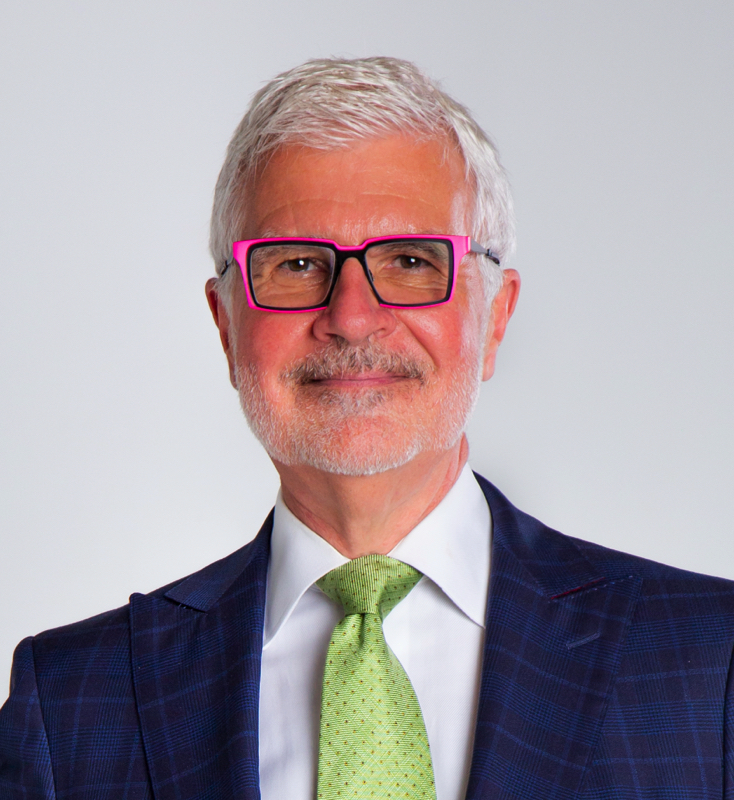
EP 400 Transcript
Dr. Steven Gundry (00:09):
Welcome to the Dr. Gundry Podcast, episode 400. So to celebrate, we’re doing something very fun. Over the years, we’ve been fortunate enough to sit down with some of the greatest minds in the study of longevity, and we ask them all the same question. What is one thing that you can do today to improve your health? We’ve collected their best answers, and we’re sharing them all with you over the course of two very special episodes. Make sure you subscribe to our channels so that you can hear from all of our incredible guests. Details are in the description. So get ready for a masterclass in wellness hacks, detoxifying your home, and rewiring your brain for success. Let’s get into it with the incomparable danger, Dave Asprey. So, uh, let me channel my inner Tony Robbins. Tony would say, uh, the first step is stop playing old movies.
(01:18):
So h- how do you … People do not like pain.
Dave Asprey (01:22):
No, they don’t.
Dr. Steven Gundry (01:23):
And you make a, a strong argument to embrace small amounts of pain
Dave Asprey (01:29):
To
Dr. Steven Gundry (01:29):
Help this process.
Dave Asprey (01:31):
Let’s talk about that.
Dr. Steven Gundry (01:32):
Yeah.
Dave Asprey (01:32):
There’s a mindset that says, “Well, just push through it. Let’s grind. You can handle pain.” And you and I, to be successful in our careers this way, we’ve both faced adversity in our careers. I’ve got three s- uh, I’ve had three knee surgeries, screw in my knee. I’ve done lots of injuries. You can push through the pain. It, it doesn’t always work and it doesn’t create the kind of life you want. And if you never experience pain, then you don’t have the life you want. So there’s a new concept in the world of biomacking that’s a part of the book, and it’s called Bicep.
Speaker 3 (02:02):
Yep.
Dave Asprey (02:03):
Brief, intentional, conscious exposure to pain. Now, at first, you’d say, “What are you talking about? I didn’t like pain.” Well, nobody likes pain except maybe a few people. <laugh> And they’re in the book too. So it turns out there’s an-
Dr. Steven Gundry (02:17):
Tattoos, piercing? Exactly.
Dave Asprey (02:19):
Did you talk
Dr. Steven Gundry (02:19):
About it in the book?
Dave Asprey (02:20):
Yeah. There’s this entire set of ancient knowledge where monks used to whip themselves just for like five minutes called self-flagellation. And they’d flog themselves on, on their back. And I remember I read this like in seventh grade and I was horrible. They, they think they’re such sinners like they’re dumb. That’s not why. And then you say yogis, they lay on a bed of nails. I ask my parents, why do they do that? Because they have powers. Nobody knows. Well, it’s the same thing. And w- anyone who’s worked with addiction, how many tattoos are there? Right? I’m not judging. I have a tattoo of a caffeine molecule. I don’t tattoos are bad for you, by the way. I just wanted one anyway. But-
Dr. Steven Gundry (02:53):
By the way.
Dave Asprey (02:53):
Yeah. <laugh> So it’s because tattoos hurt and because intentionally experiencing moderate pain for a brief period changes dopamine signaling in the brain by up to 250% in one of the studies I found. What that means because dopamine rewards you for pursuing a goal. It means it takes less motivation for you to avoid the addictive substance. Less motivation for you to skip the junk food. Less motivation for you to do the work you wanted to do or to go to the gym or to do personal development work. So it turns out you could eat really spicy chili peppers. Oh wait, high lectins. I’m not gonna do that even though I live in Texas. I know I love them.
Dr. Steven Gundry (03:29):
But if you ferment them, you’re fine.
Dave Asprey (03:30):
Oh, I haven’t tried that. <laugh> Okay. I, I will try
Dr. Steven Gundry (03:32):
That. Hot sauce.
Dave Asprey (03:33):
Okay. And you think that’s not gonna set off my lectin sensitivity?
Dr. Steven Gundry (03:36):
No, I think you’ll be okay.
Dave Asprey (03:37):
I’m gonna give it a shot. All
Dr. Steven Gundry (03:38):
Right.
Dave Asprey (03:38):
Um, that would be a gift. Or you could eat Wasabi. There you go with that.
Dr. Steven Gundry (03:41):
There you go. Uh,
Dave Asprey (03:42):
Or bioactive- Japanese
Dr. Steven Gundry (03:44):
Wasabi are, are Wasabi is horse rash with green food coloring. Yes.
Dave Asprey (03:47):
Yeah, real Japanese wasabi, for sure. Uh, you could also do what biohackers do. You could do a cold punch or a cold shower. And there’s abundant evidence of taught this for 15 years now. Here’s all the reasons you might want to do some cold therapy for your metabolism and for endorphins and all. There’s another thing, and it is the dopamine sensitivity, and that’s entirely different from the metabolic benefits. So embrace the suck for one minute a day, brief intentional conscious exposure to pain, and then every decision that required willpower requires less willpower. This is why the monks were flagellating themselves, because if they did that in the morning, it took less willpower for them to stay in the state they chose. Since I’m assuming your goal, if you read heavily meditated, is you want to be able to choose your state and to stay in it for as long as you want and to be able to switch states at will instead of having the world switch them for you.
(04:35):
This is an important practice and it, you can do it lots of different ways. And it’s not about harming yourself at all. It’s just about briefly saying, “I’m the boss.”
Dr. Steven Gundry (04:43):
I wanna kind of finish where we started with my m- monkey brain. People want to quiet their mind, whatever that means. What, what’s the biggest mistake they’re making and what’s a simple trick to start?
Dave Asprey (05:00):
Well, the biggest mistake that people make is that thinking the voice in their head is them. It’s very clear that you have a separate consciousness inside of you. I call it the meat operating system, some would call it the ego. It is designed to keep your meat alive as if your brain wasn’t there. And it’s angry that your brain is there because your brain keeps interfering with survival behaviors like eating all the pizza, right? So there’s this inherent conflict in there. So if you feel guilt and shame and frustration over the angry, bitchy voice in your head, I had a very mean voice in my head. I don’t have any voice in my head anymore. And just understand, it’s not you. And you can laugh at it because it, it’s like the mean girl movie. It, it, that’s what it does and it’s just trying to manipulate you.
(05:46):
And understanding that it’s not you creates a ton of freedom because now you’re dealing with someone that you might say it’s an adverse, an, an adversary, or you might just say that it’s a very misguided, very simplistic consciousness. It’s there for a reason, and that makes it much easier to set it aside, and then learn some of the breathwork, the very quick and fast breath work exercises and heavily medit- uh, and heavily meditated. They will, they’ll change your ability to regulate your nervous system. So when you find, oh, I got dysregulated and the voice in my head’s, okay, then do four of these breaths and know the voice for what it is that is not you. There’s nothing wrong with you for having the voice and it’ll shut the hell up. And then you’re back in your state and you go about your day. And it is so liberating to be able to go, “Oh my gosh, it’s not that I’m a bad person.
(06:32):
It’s not that I hate myself. It’s that there’s a fearful, angry, unhealed voice in my head, and you can do something about that. It’s not you. That’s the biggest mistake.”
Dr. Steven Gundry (06:40):
And this is quick. I don’t have to have a chamber for two hours, sit on a rug and- You don’t. … chant.
Dave Asprey (06:47):
You don’t. I talk about chanting, I talk about, uh, all the altered state’s breath work and all. The reality though, healing, true healing and true forgiveness, it’s an altered state. And I go through pretty much every technology we know about in the book, technology or technique. So a lot of the very ancient techniques to allow you to shift into a state where you can let things go. And instead what we do oftentimes in the West is we have the thoughts and we just try to apply willpower and just push. Anyway, it doesn’t work that way. So you switch your state into, it’s like going into the settings on your phone to change things. You have to be in the settings menu to change things or it doesn’t work. So how do you get into the settings menu in your head? You can do it with breathwork, you can do it with a bunch of other practices, you can do it with meditation, but even the type of meditation matters.
(07:29):
So there’s a roadmap for going in and changing your setting.
Dr. Steven Gundry (07:35):
Time to hear our conversation with Will Cole. You talk about inflammatory habits that people have. Yeah. What are three inflammatory habits that our listeners can try and change today?
Will Cole (07:51):
So one would be prolonged sitting. You know, it’s been said <laugh>. It’s been said sitting is the new smoking, but, you know, I think it depends on the person, right? But-
Dr. Steven Gundry (08:02):
For those of you who are listening, we both stood up. <laugh>
Will Cole (08:06):
Uh, but so does that mean you can never sit? Of course not. But it’s move, get up and move. So many people are sedentary and we know this, right? But let’s put it into practice in simple ways. So if it is getting up and stretching, getting a standing desk, getting out and just walking on your breaks and moving around, it, it improves productivity, improves cognitive function, it lowers inflammation levels. So I think, uh, that’s one. I would say having a, uh, healthy, balanced relationship with technology would be number, uh, two. And that’s going to be … What does that mean? That means setting boundaries, like maybe using those apps on the, on our smartphones that shows you screen time or locks you out and don’t like go back, don’t try to override the app to allow you back in.
Dr. Steven Gundry (08:55):
Hold that thought because I want to check this. <laugh> I’m picking up my phone <laugh> for those listening.
Will Cole (09:01):
Yeah. So we, both from a blue light standpoint and a visual stimulation standpoint and, uh, the FOMO inducing content on social media of this sort of, uh, I’m not enough comparison, this sort of stress, anxiety response that people are having. I mean, a lot of the times in the day people check their phones, the research is staggering how much we check our phones. So that’s gonna be … And then we get practical ways to solve that. I mean, there’s many ways to solve it, but, uh, just to have some checks and balances with technology. And three, I would say look at the products you’re using in your home, look at the products you’re using on your skin. Our skin is our largest organ and it absorbs a lot of what we put onto it. So resources like the Environmental Working Group or the EWG with the Skin Deep initiatives and other initiatives, uh, to educate yourself on these things that are largely unregulated, we don’t have a lot of, uh, protection as far as consumers are concerned, and there’s a really lack of education as far as consumers are concerned, because they’re just going getting this shiny bottle that has good branding, but let’s actually find out what’s on the label and what’s in it.
Dr. Steven Gundry (10:13):
Yeah. There are so many, not only toxins, but endocrine disruptors in our common household products, in our skin products- Yeah. … in most of our sunscreens. Yeah. Uh, and there’s good research that these things are absorbed- Yes. … like you point out. Yeah. Uh, yeah, we just don’t know. The average consumer, be wary. This is a great moment from my conversation with Jesse and Chaspey, the glucose goddess. Americans don’t eat enough fruits and vegetables, and everybody knows that. The Center for Disease Control knows that. I was recently assailed on a podcast, how dare I tell people not to have a smoothie.
Jessie Inchauspé (11:00):
Really?
Dr. Steven Gundry (11:01):
Oh, yeah. Because what a wonderful way-
Jessie Inchauspé (11:04):
To get your fruits. … to get your fruits
Dr. Steven Gundry (11:06):
In.
Jessie Inchauspé (11:07):
Well, the problem is, okay, there’s a couple things about fruit. First of all, people identify some fruit with something being natural. They’re like, “Fruit is natural, so it’s good for you. ” The fruit that we eat today is not natural.
Dr. Steven Gundry (11:18):
Oh, thank you for saying that.
Jessie Inchauspé (11:19):
Yeah. So the, the oranges we find today, the bananas, the strawberries, they are completely different from the ancestral pieces of fruit we might find in the past. So for example, if you look at an ancestral banana, it’s very small, it’s full of seeds, it’s tart, it’s not sweet. In the same way that humans bred gray wolves into chihuahuas- <laugh> … For fun, right? To create a breed that they enjoyed, they have bread fruits and vegetables-
Speaker 3 (11:42):
Yeah. …
Jessie Inchauspé (11:43):
To thousands of years of selective breeding. And so today, our bananas are the Chihuahua equivalent to the ancestral gray will for the ancestral bananas. So that’s the first thing to remember. The fruit we find today is not natural. However, if you wanna eat something sweet, a piece of whole fruit is still the best thing to choose because whole fruit contains fiber and water. So yes, there’s fructose in there, yes, there’s glucose in there, but the fiber is gonna slow down the impact of that on your blood. Now, the problem arises when you denature that piece of fruit.
Dr. Steven Gundry (12:14):
Bingo.
Jessie Inchauspé (12:14):
Right? You, you smoothie it, you pulverize the fiber particles, you juice it, you remove the fiber entirely, you dry it to remove the water, et cetera, et cetera. Then you’re just concentrating the sugar molecules. And it doesn’t matter if those sugar molecules came from an orange and are in orange juice, or if they came from a beetroot and are in a can of Coca-Cola, to your body, it’s the same molecules. So we have to be super careful and keep rebeating this message. Do you
Dr. Steven Gundry (12:40):
Hear that, folks? Um, yeah, you’re right. One of my favorite expressions is eat whole foods- Yeah. … but eat them whole. Uh, there, there’s no smoothie machines in the San Diego zoo. <laugh> Yeah. There’s no juicers and they eat things whole. But you’re right, our fruit, it doesn’t even resemble, uh, anything anymore. It’s a human
Jessie Inchauspé (13:02):
Invention.
Dr. Steven Gundry (13:03):
Yeah. It’s
Jessie Inchauspé (13:03):
A creation. Yeah. And actually oranges didn’t even exist
Dr. Steven Gundry (13:07):
In the- That’s
Jessie Inchauspé (13:07):
Right. They have been just made up. It’s amazing.
Dr. Steven Gundry (13:10):
Yeah. I actually, I used to live in a community nearby here, a Redlands, California- Yeah. … next to Loma Linda, and Redlands, uh, invented the naval orange. Oh. Yeah. And that’s, it literally, it was a, a cross and- I
Jessie Inchauspé (13:25):
Thought they were invented in China oranges, maybe a different
Dr. Steven Gundry (13:27):
Gr- Yeah, different breed. Oh, cool. But the naval orange are- Fascinating. Yeah, so invented in Redlands, California.
Jessie Inchauspé (13:33):
Fascinating. There you go.
Dr. Steven Gundry (13:34):
Yeah. So, and you’re right. It, it was an invention. Yeah. It was a, it was hybridized- Totally. … for sugar content.
Jessie Inchauspé (13:40):
Exactly.
Dr. Steven Gundry (13:41):
And now we have karakara oranges, which are just pure sugar. Yeah. And of course, we, we were designed to seek out sweet taste. The dopamine. I mean, what? 60% of our taste buds are sweet receptors.
Jessie Inchauspé (13:55):
Yeah. And people often confuse, you know that feeling when you get, when you eat something sweet, sort of rush. It can be confused for energy. Yeah. You might think that’s energy. It’s not energy. It’s dopamine, right? It’s the pleasure molecule. And that’s also quite difficult to understand when you eat sweet foods in the morning, you’re not getting energy, you’re getting dopamine, but your mitochondria are suffering within.
Dr. Steven Gundry (14:17):
All right. Now, another thing that you talk about, which is very important, is when we eat sugar or glu- even glucose or even protein, we squirt out a hormone called insulin. Yeah. Let’s talk about insulin and let’s talk about insulin resistance. Why is that kind of the one two punch of this?
Jessie Inchauspé (14:38):
Well, first of all, insulin tends to get a bad rep, but it’s actually vital, right? People who are- Absolutely. … don’t have the ability to produce it if they don’t inject it, they will die. So when your body experiences a glucose spike, there are a few processes that take place that are not very good for you. So mitochondrial damage, glycation, inflammation, et cetera. So your body knows that if there’s a big glucose pike happening, it should try to get that glucose level down. And so what it does is that your brain calls your pancreas and is like, “Yo, we got a big glucose spike. Can you grab this extra glucose and store it away?” And so your pancreas sends out insulin, fantastic hormone. And insulin grabs extra glucose and stores it away in your liver and your muscles and your fat cells, okay? And that’s fantastic because it gets that glucose level down.
(15:25):
Now the problem is that over time, as your body produces more and more insulin to deal with more and more glucose spikes, you become resistant to it. It’s a little bit like the first time you drink a cup of coffee in your life, you are awake for 48 hours. <laugh> That stuff is strong. You’re like, “Whoa.” And then three months later, all of a sudden you’re drinking 10 coffees a day just to stay awake because you’ve become habituated to it. Your body has become resistant to the caffeine in the same way you can become resistant to the insulin, right? And that’s a problem because when insulin levels rise too much and you’re too insulin resistant, it can no longer do its job of grabbing the extra glucose and storing it away. So then your glucose levels start to rise dangerously, and that’s what’s called type two diabetes or prediabetes.
(16:10):
But actually it’s, it’s a spectrum, right? It’s insulin resistant spectrum from normal, metabolically healthy, to all the way to type two diabetes. And that’s really something we want to try to reverse insulin resistance.
Dr. Steven Gundry (16:23):
All right. So what are the hacks-
Jessie Inchauspé (16:25):
Okay. …
Dr. Steven Gundry (16:26):
To do that?
Jessie Inchauspé (16:27):
In my second book in the method here, I focus on four most important ones. So the first one is a savory breakfast. We’ve covered it. The second one might sound a little bit strange. It’s vinegar. So a tablespoon of vinegar and a big glass of water before one of your meals a day. Do you know what molecule is in vinegar that has this effect on glucose levels or no?
Dr. Steven Gundry (16:46):
Well, I’m a big fan of vinegars- <laugh> … And I love acetic acid.
Jessie Inchauspé (16:49):
Exactly. And so acetic acid slows down the breakdown of starches in your stomach. And as a result, when you have this vinegar drink before a meal, it can cut the glucose spike of the meal by up to 30%. So week two of the method, I introduce vinegar into your days once a week, uh, once a day, sorry. Week three, the hack is called the veggie starter hack. That means once a day before a meal, begin the meal with a plate of vegetables. Why? Because vegetables contain fiber. And when we have fiber at the beginning of a meal, it’s gonna slow down gastric emptying. And so just slow down the speed at which any glucose molecules will arrive into your bloodstream. And then final hack of the glucose goddess method is after one of your meals a day, use your muscles for 10 minutes. So you know how I explained that your muscles are a place where insulin stores extra glucose?
(17:39):
Well, your muscles, as they contract, they need energy. And the first place they look is in your bloodstream. They look for glucose molecules, and so we can use this to our advantage. If you go for a 10-minute walk, if you dance in your living room, if you even do just some simple calf raises, whatever movement and muscle contraction you can do is gonna soak up some of the excess glucose from your meal. So savory breakfast, vinegar, veggie starter, movement. And after four weeks of that, you’re already on a much better glucose situation.
Dr. Steven Gundry (18:10):
Are we overpacing ourselves in the United States? <laugh> I mean, you, you live here as well. I
Jessie Inchauspé (18:15):
Think it’s difficult because there’s not such a deep food culture here. Therefore, it’s very easy to get brainwashed by marketing messages and the, the food landscape we live in. So with, with this work and with these hacks, I’m hoping to bring to light some of these very easy cultural and somewhat European habits and to explain the science behind them so that everybody can apply them.
Dr. Steven Gundry (18:37):
All right. And you’ve put this into practice. It’s one thing to say, okay, here’s what you do. You did an experiment with 2,700 participants. Yeah. Tell us about that.
Jessie Inchauspé (18:48):
Well, all the hacks are based on clinical trials and studies that I haven’t run, right? I was just looking at all the research and synthesizing it into these tips. Before the second book, I thouht, wouldn’t it be cool to run an experiment? Now, for all the scientists listening, no control group, no placebo, no randomization, right? It’s just an experiment. But what I did is I recruited 2,700 people and I got them to do the four week method before the book came out, actually, and I got feedback on all of the recipes, et cetera. So here are the results. So during these four weeks, they just did the savory breakfast, vinegar, veggie starter, and movement, and the rest of the time, they did whatever they wanted. They ate, they drank, whatever they wanted, right? After the four weeks, 90% of people were less hungry. 89% of people reduced their cravings.
(19:37):
77% of people had more energy, 58% were sleeping better, 58% said their mental health had improved, 46% said their skin improved, and 41% of people with diabetes improved their diabetes numbers. Just by adding these fourhaxin, not changing anything else. So if that’s not encouraging, I don’t know what is.
Dr. Steven Gundry (20:05):
All right. So we’ve heard about brain hacks, glucose tricks, and the toxic stuff hiding in your home. Now, you might think improving your health requires a total lifestyle overhaul, but Cynthia Thurlow believes sometimes the simplest thing you can do is the healthiest. Let’s talk about your program because a, a lot of your book, uh, correctly states that most of us are insulin resistant, metabolically inflexible, and asking somebody, as I’ve written about, to suddenly, instead of eating breakfast at 7:00 or 8:00 in the morning, your first meal of the day is at noon is like falling off a cliff and most people can’t do it, um, because they cannot access their fat in their fat stores because of high insulin levels. And I like the fact that you’ve got this 40-day transformation. Tell us, um, what you’ve learned, uh, obviously and what I’ve learned that you gotta, you gotta do this one step at a time.
(21:18):
You don’t wanna jump into the deep end.
Cynthia Thurlow (21:20):
No, I agree with you. I, I think it’s not sustainable if we are in a position where we feel like we’re in a lose-lose. Like, you’re asking me not to eat as frequently, but now I’m gonna feel like I’m starving. And so it’s reminding people that it’s baby steps. It’s as simple as, you know, the first week of my program really speaks to cleaning out your pantry, start, you know, reducing the amount of carb- processed carbohydrates that you’re eating. If we know the average person is consuming 200 to 300 grams of carbs a day, lowering that can be terrifying, but understanding that, that we’re looking to do a couple different metrics. We’re looking to reduce our carbohydrates, not to, too low of a level because moving too quickly can be problematic. And then we’re asking people to increase their protein. So we know protein can be very satiating.
(22:07):
Protein is important, especially as we’re getting older because we actually have more protein requirements as we’re aging as opposed to when we’re younger. And I find that if we start kind of making little changes, and by those little changes, it’s like, let’s reduce our, let’s be cognizant of how much carbohydrate we’re consuming. So start tracking macros, start being conscientious about eating a little bit more protein with your meal. Maybe you’re having four ounces of chicken, try six. And I find that that can be helpful. I think that’s the first thing. The other piece of it that I think is very important is, is teaching people to stop snacking, because you have to rip off that bandaid. Once people understand they don’t have a buffer in between meals, all of a sudden they’re like, “Okay, if I’m not going to eat in between my meals, I need to eat enough for breakfast and enough for lunch and enough for dinner to be able to get successfully to that next meal.” So I think the snacking piece is also very, very important.
(23:02):
And then the next big step is going from dinner to breakfast. And for many people, they’re convinced if they don’t have a snack before bed, if they don’t have dessert, if they don’t have that glass of wine, that they’re gonna starve. And I remind them, even thin people have plenty of stored energy. We’re not going to starve, but we’re gonna make sure you’re gonna have, um, a nice piece of protein, you’re gonna have some non-starchy vegetables, you’re gonna add in some fat, you’re gonna be absolutely fine because you’re gonna spend most of that time sleeping. So a lot of what I’m doing is coaching people. And I know even in your book, Mitocode, you increase the, the fasting amount by an hour, like each week, which I think is brilliant. So you’re making it very sustainable. And I tell people that the more carbohydrate dependent they are, so if you’re someone that is metabolically unhealthy, insulin resistant, leptin resistant, et cetera, it’s gonna take you longer to get to a point where you’re gonna be able to go longer without eating, and that’s okay.
(23:56):
So sometimes it takes people a couple weeks to start being able to utilize fat as a fuel substrate. Others, it takes longer and that’s okay, but it’s really designed to be a stepwise approach. And also the other piece is the other lifestyle pieces, like going, getting a little more sleep, becoming physically active. Um, many people really aren’t physically active. We’ve gotten conditioned where we’re in a, you know, climate controlled environment twenty four seven with very little physical activity. And you and I both know that insulin resistance starts in our muscles. So I remind people that, you know, I’ll encourage them, take a 10-minute walk after a meal. And sometimes they’re initially not understanding why that’s so important, but understanding that with each muscle contraction, you’re u- you know, your body is using up some of that glucose or taking, thinking of your muscles of the sponge, using up some of the, the blood sugar that’s circulating to be able to dissipate it and bring your blood sugar levels back down.
(24:49):
But that’s like a, kind of a high overview of my methodology and one that I found has worked really well for thousands of patients.
Dr. Steven Gundry (24:57):
Yeah. I, I think in my first book, there’s a fascinating study looking at people who were asked to walk for either 10 minutes before their meal or 10 minutes after their meal. Same distance, same, you know, speed. The people who walked before the meal didn’t lose any weight. The people who walked after the meal lost weight, even though it was the same meal. And again, I think this goes back to, you know, our ancestral, um, signaling. If, if we walk, uh, we gathered something and then we ate and, okay, we’re done. Let’s store that. On the other hand, if we eat and then we start walking again, our computer program says, “Wait a minute, I don’t know if this guy’s gonna walk for a mile or 20 miles. The last thing I wanna do is store this stuff. Uh, you know, I wanna make it available.” And yeah, this is important signaling information.
(25:56):
And, and that’s why in Europe, it’s fascinating the number of people who just stroll after a meal. They’re not running. They’re, you know, they’re, they’re just walking and enjoying the environment. And I think we can all learn from, from that.
Cynthia Thurlow (26:11):
Well, and I, I think it’s ironic. My husband and I used to joke about all the middle-aged people that used to walk in our neighborhood. And at the time when you’re in the throws of young kids and you’re working and, you know, it just became this thing that you observed. And now we have become the middle-aged couple that walks in the morning, walks in the evening with our dogs. And I, I really fervently believe that that type of … I always think of it as neat exercise or neat physical activity. We know that degree of thermogenesis has so many benefits and just walking for 10 or 15 minutes after a meal is such a great way. Like if you’re out to dinner and maybe you’re over ate, like take a walk after dinner, stroll around. I mean, it’s such an easy way to help support your health without having to, you know, go to extreme lengths to do so.
Dr. Steven Gundry (26:56):
Yeah. And like I always say, the, the best prescription I’ve ever written is to get a dog.
Cynthia Thurlow (27:02):
I have two.
Dr. Steven Gundry (27:02):
Yeah.
Cynthia Thurlow (27:03):
Yeah.
Dr. Steven Gundry (27:03):
I’ve got four, unfortunately, so. <laugh> <laugh> Two of them are rescue, so we can’t resist a, a rescue dog. Oh, well, uh, but yeah, dogs make you, you know, go out and walk, uh, at least twice a day, whether you want to or not. Even in the dead of winter, they don’t care, um, nor should- No,
Cynthia Thurlow (27:21):
They don’t. I, I jokingly laugh about, um, you know, I have dogs that walk several miles in the morning and several miles in the afternoon, and they’re better behaved because of that. Same thing when I had, you know, my boys were younger, I used to tell my husband my goal was to make them tired. So we did a lot of physical activity. And, and I think for so many of us, we just forget that parking a little farther away from the grocery store, you know, not taking the elevator. Like there are little things that can add up to that degree of additional physical activity that can be very beneficial.
Dr. Steven Gundry (27:52):
Yeah, you’re right. Um, you know, I’ve always advocated, look folks, take the elevator up, but then walk down the stairs. And there’s this amazing Austrian study that I cite of people who were either asked to walk up, um, a ski lift and then ride the, the ski lift down or ride up the ski lift and walk down. And it turns out that they thought that the people hiking up were gonna get much better, you know, effect. Turns out it was exactly the same because you’re actually working against gravity both ways. So that’s okay. Take the elevator up and walk down. Uh, it’s a good way to just get in, uh, some exercise that isn’t too painful.
Cynthia Thurlow (28:35):
Yeah, absolutely. And I, I think on a, a lot of levels, uh, one thing that I think people find interesting is they’ll go to a very intense class, bootcamp, CrossFit, and then they’ll sit all day at work. And I have to remind people, like, I don’t care if you set a timer so that every hour you walk to the bathroom or you get some water or you, maybe you do two laps in your office space, but if you go and do intense exercise and then sit for 10 or 12 hours a day, you have just undone all the benefit of what you were doing in the gym or at your, um, local bootcamp class. So just encouraging people to be physically active throughout their lifetime. And, and I, and I’m sure both of us, um, you know, I saw so many of my patients that were in their 70s, 80s and 90s, and the ones that were thriving, I always, I always wanted to know, what do you do that you think has moved the, the needle the farthest for you?
(29:24):
And some of them talked about mindset and some of them talked about remaining, like, on top of, you know, electronics so they could still communicate with their younger family members. And then many of them would say, “I walk in nature every day. I do yoga, um, I do meditation.” And so I m- very much reflect on how much my patients have taught me over the years and the things that have always stood out. And I’m like, “I get it now. Like, I understand why they always encourage you, like be active. Like don’t just sit in your house or sit at work and then, you know, drive home and, and then be sedentary for the bulk of your, your day because that has a huge Negative impact on your, on your health in general.
Dr. Steven Gundry (30:07):
Okay. Let’s change things up. Here’s my talk with Darren Olin. It’s all, you know, doom and gloom and- <laugh> … Uh, we’re sitting here saying, you know, we need the nanny state to make all this not happen to us. Yeah. But that’s not gonna happen. Right. Uh, so what are, what do our listeners do about all this? Uh, and you’ve got a lot of really good recommendations.
Darin Olien (30:35):
Yes.
Dr. Steven Gundry (30:35):
So kinda have at it. Help us out here.
Darin Olien (30:37):
Yeah, yeah. So the last fourth of the book is solutions, even a lot of DIY stuff, a lot of products that are doing a lot of great things. Um, and I think of it like this. I think of, you know, because there’s a lot. So I think of go from in to out. So the most vulnerable is you open your mouth and you’re drinking and you’re eating. So what are, what are you doing there? Right? Yeah. Don’t eat the food that has been wrapped and everything. And of course, ultra processed food is barely food anymore and it’s chemicalized. So that’s a no-brainer. And then, you know, one of the first things I think everyone should run out and do, they don’t have their own natural spring that’s tested. Obviously that’s the golden standard. <laugh> Um, filter your water. But filter is not just filter, right? I would, I kind of think of water as like break it down, deconstruct it because it’s, it’s, it’s all con- it’s virtually all contaminated with something.
(31:46):
Right. An RO system, reverse osmosis- Right. … or distillation and then add some electrolytes back into it. That’s, that’s the bare minimum. And at, and you also save on plastics and buying all this other stuff. That is the thing, and we need to stay hydrated. So start there. Few hundred bucks. Now you have your own water system. And then, then look at your food. Like obviously the less takeout, the less ultra process. So, so start whole food and, you know, if you, you know, can’t afford organic or farmer’s market stuff, there’s the dirty dozen, the conventional ones that are, uh, you know, that little sticker on the fruits and vegetables. If it has nine, if it’s not labeled saying organic, you can look and say if it’s, if it’s nine, it’s organic. If it’s four or three, then you’re seeing that it’s sprayed with chemicals and/or could be a genetically modified fruit.
(32:47):
So if you can’t afford it, you need to wash. Think of it in terms of common sense, an apple, romaine lettuce, celery, nectarines, things that you’re gonna be eating directly, you’re not peeling like a banana or something. So those you wanna wash, right? I use baking soda and hydrogen peroxide that it soak. You can use oxygen bubblers to clean all of that stuff. So clean, clean your food if you can’t … And also organic too. You just clean your food. So that, that’s where I would start. And then as you kind of expand from there, what are you, what are your daily habits that you’re doing? What are you washing your body with? What are you slathering on your skin? And, and women, unfortunately, the beauty products are riddled- Some of the
Dr. Steven Gundry (33:37):
Worst.
Darin Olien (33:37):
Yeah, riddled with this stuff. And you’re doing it constantly. That masc- mascara that doesn’t wipe off, PFAS again. That, that lip gl- that lipstick that doesn’t wipe off PFAS again. That concealer, PFAS again. So it’s like you’re chemicalizing all this stuff, and then obviously that’s not good for your skin either, right? And we see, you know, we’re trying to, you know-
Dr. Steven Gundry (34:00):
Well, so the old story of the, of the lip balms and lip most- moisturizers- Exactly. … they actually dry it out. Exactly. And so you have to put more on and you- Exactly. … literally become addicted- Exactly. … to the product you originally started- Yeah. … to moisturize, you know, your lips with.
Darin Olien (34:17):
You, you interrupt to that sebum, that natural lubrication that the skin has and you enter up that whole process. Not to mention whatever chemical you’ve just kind of dr- usually dried it out. Like you said, then you become dependent on it. And it takes a little bit to break that cycle, you know, just stop using that stuff. Think of, I think of things like you’re gonna use, you know, if you’re in a dry area or whatever and you’re, you know, listen, you gotta look at hydration and everything else, but, you know, think of it as nutrition, right? So coconut oil, shea butter, uh, even-
Dr. Steven Gundry (34:52):
Olive oil.
Darin Olien (34:53):
… olive oil’s great, you know? Yeah. It’s like there’s a lot of … You got a great olive oil too, don’t you? Yeah. Thank you. Yeah. It’s like yummy. I
Dr. Steven Gundry (34:59):
Mean, if it was good enough for Sophia Loran, um-
Darin Olien (35:01):
Come on. … it’s good, it’s
Dr. Steven Gundry (35:02):
Good enough for me
Darin Olien (35:03):
To come on
Dr. Steven Gundry (35:03):
My skin.
Darin Olien (35:04):
Come on, come on. <laugh> And you feel it. Oh yeah. You feel it. You feel the difference. You feel … It’s, it’s natural. Like, like everyone likes to smell good too. So essential oils, man. There’s a infinite better, better result. Like, again, like this whole thing is set up from my perspective,
(35:25):
Divorcing nature. If we go just like that, oh my God, I bought into the idea I need a moisturizer on my lips. Now you just s- came in there and, and shut yourself off or, or disrupted the natural rhythm of your, of your little microsystem of your lips. All of this stuff, if you, if you divorce yourself from all of those things and chemicalize your, yourself from espris- especially from a personal care standpoint, then you’re a victim to that now side effect. But if you look at the stuff of like, oh, what can I literally get a benefit of from a moisturizer standpoint, but also as a nutritional side, um, then it becomes a whole nother thing, right? Lavender. Yeah. Incredible healing agent, as well as smelling, smelling good. So yeah, you can still, you can still smell good, but also it’s also parasympathetically dominant for your body.
(36:24):
So it helps to pull, pull you down in this- Calm you, yeah. Yeah, calm you down. And so, uh, we, so it’s, it’s, it’s going back to that common sense that I think ultimately through the book, I just wanna wake people up to … We’re all into patterns. We’re all into habits and we’re just ingrained into it and it takes a little bit to go, “Oh, I had no idea that that convenient little slippery dental floss, I didn’t realize it had chemicals of PFAS. It connected to kidney cancer.” Well, I certainly don’t wanna use it now, but it’s convenient. Yeah. And until you disrupt that. So this book can, can be startling, right? It can be overwhelming.
Dr. Steven Gundry (37:10):
Yeah.
Darin Olien (37:10):
But the point is just making one step, one step at a time.
Dr. Steven Gundry (37:18):
What if I told you that one of the most powerful things you can do for your health has nothing to do with food, supplements, or exercise? What if the answer is kindness? Science journalist Marta Zaroski has their research and the numbers are staggering. What is it about, you know, loneliness and the social distancing that, that’s so damaging to our health? I mean, you, you, in the book, um, compare it to the health dangers like cigarette smoking or bad nutrition. I mean, is it that bad?
Marta Zaraska (37:54):
It’s that bad. I mean, we evolved a social age. So think about exactly our closest cousin chimpanzees, even though they’re not so domesticated, they’re still the closest we have. And as, just like they are, we, they are, we are very social, right? We evolve to live in a tribe. And when we are outside of that tribe, all these negative processes start cascading down in our bodies, starting with the, uh, fight or flight response, right? So this kind of stress response. When you’re alone on the savanna, obviously a lot of bad things can happen to you when you’re outside alone without the help of the others, and all the stress systems start working, cascading, lots of hormones get released, including cortisol, adrenaline, all this stuff that generally has bad effects on your health, just to simplify it very much here. Uh, and, um, and as you’ve said, you know, loneliness, uh, is so bad for us that when, for example, scientists put all these numbers together, they show that a complex measure of social integration.
(38:53):
So for example, how many friends you have, whether you know your neighbors, whether you’re involved in your community, whether you have a romantic partner, all this taken together can lower your mortality risk by about 65%. Whereas cigarettes, it’s only about, I mean, by cigarettes, I mean, stopping smoking if you’re a very heavy smoker, this can lower your mortality risk by about 50%, whereas diet and exercise, it usually hovers between 20 and 30%. So we have 65% versus 20 to 30%. So this is really, really huge impact on our life if we’re, if we have this kind of really well built social network.
Dr. Steven Gundry (39:33):
So are you saying that if I want to live a long time, I better go get a r- romantic relationship if I don’t have one? <laugh>
Marta Zaraska (39:42):
I mean, it’s, it’s, it’ll be very good for you. Yes, especially for men actually. So we, bizarrely, studies tend to show that men profit much more from a romantic relationship, committed romantic relationship than the women. And, uh, even more bizarrely, whereas for women, the romantic relationship does have to be definitely happy. For men, even a so- so romantic relationship actually helps too. So, uh, scientists are still quite, um, surprised by this. Maybe it has something to do with the fact that women tend to organize the social life of the family, but, uh, definitely there is some kind of effect like this in research that’s been, you know, replicated over and over and over again that men can profit even from a mediocre, uh, romantic relationship. And
Dr. Steven Gundry (40:29):
What, and is there evidence that when a divorce happens or, uh, a loss of a spouse for other reasons, um, that men will do worse from all that?
Marta Zaraska (40:44):
Yes, unfortunately, there is something called the widower effect. And, uh, there is also, again, plenty of research showing that we, especially within the first week after a spouse dies, the second spouse can pass, is much more likely to pass away as well. This effect has been known for centuries. Uh, recently has been really fairly con- confirmed by, you know, proper modern studies, but it does exist. Uh, so it’s, it’s really risky, especially the first seven days after the spouse passes.
Dr. Steven Gundry (41:12):
Yeah, no, I’ve definitely, uh, seen that in my own practice, uh, where, you know, one, you know, one of the spouses may actually be exceptionally healthy and the, and the unhealthy one passes away, and you’re right, within a very short time period, all of a sudden that, uh, that spouse … I’ve even seen, uh, spouses admitted to the hospital within a couple days of each other, uh, when one gets severely ill, the next one ends up in the bed next door. So, uh- Yes.
(41:43):
Yeah. Okay. So, you know, I wanna get back to, uh, volunteering for a minute. Um, my, my father took early retirement at age 62 because, uh, his, his father had died at age 54 and my father was just absolutely convinced that, you know, he was gonna die, you know, in, in that age and he was shocked that he was still alive at 62, but retirement was not for him. So he became a, a greeter at Walmart. I don’t know if you know Walmart at one of our giant stores. And he, he really loved it, but then he became, he started volunteering at his local hospital and became kinda head of the volunteers at the hospital. Uh, his only problem was he, he lived until he was 91 and, uh, you know, he said, “You know, if I had realized <laugh> I was gonna live <laugh> on his 90th birthday,” he says, “You know, if I lived, knew I was gonna live in 90, I wouldn’t have retired at 62.” <laugh> But, you know, I think that volunteering, uh, was, you know, what had him make it to 91.
(42:46):
Um, so is, is volunteering that important after, after you retire or can you volunteer even while you’re doing other jobs?
Marta Zaraska (42:55):
I mean, definitely volunteering or generally caring for other people, being kind is extremely important. And there is lots of research on volunteering showing that anywhere it can lower your mortality risk anywhere between 22 and 44%. So at least as much as healthy diets, so eating, let’s say, six portions of fruits and vegetables a day. So this is a very, very powerful effect once again. Uh, there are studies showing that volunteers, for example, spends about 37% less time in hospitals than people who don’t volunteer. So there is really a lot of things going on here. Uh, so, but also kindness, just sim- simple everyday kindness can work. You don’t have to formally volunteer even though definitely it has very strong benefits, but generally caring for other people, just being helpful, even in formal settings, uh, it activates this, uh, what scientists call caregiving systems in our body that basically calm down our stress response because you cannot care for other people if you are extremely anxious.
(43:55):
So the body systems that are responsible for stress have to, uh, kind of calm down if you’re, when you’re caring for others. So it has very beneficial effects on our bodies.
Dr. Steven Gundry (44:05):
You know, uh, oftentimes when I bring this up with my patients, they say, “Well, I have, I don’t have a clue in how I go about volunteering for something.” Uh, did, uh, did you ever run into that in your research? It’s like- I mean, you volunteer.
Marta Zaraska (44:23):
<laugh> That’s a, that’s an interesting question that I said again, you know, it can be formal volunteering, but it can also be just being kind in everyday life. There are, there is also research showing that just so- called the random acts of kindness, right? So opening doors for other people, letting others ahead of in traffic, making coffee for your spouse or buying cookies for, uh, other people at work, uh, such things also activate this caregiving system, just basically thinking about others and can really lower, uh, your levels of stress harmas in your body. I actually, when I was writing, uh, growing young, I did some fascinating experiments, like, I mean, experiments because it was just sample of one, so not that scientific, but, uh, I did it in collaboration with scientists from King’s College London, uh, who actually, um, checked my cortisol levels, uh, three times a day, uh, when I was engaging in acts of kindness on Sundays and on other days I was just living my life as usual.
(45:25):
And, uh, what they discovered is that on the days when I was doing plenty, plentiful kindness, so I would basically wake up in the morning and think, “Okay, how can I be nice today?” And I would, it was actually lots of fun actually doing that. So I would do this very small things, but just, you know, maybe buy a sandwich for a homeless person or just, uh, uh, pick up some trash on a, on a, on a street, uh, where I live. Just very small things. But on those days, uh, my cortisol levels were much healthier than on all the other days, even though completely independent on how actually stressful these days were for me. So it was very fascinating for me to see it on myself, uh, even though there is lots of proper research on big samples showing exactly the same thing, that when you do kind things, when you help others, it comes down, your stress response, you get better cortisol, uh, healthier cor- cortisol response, uh, as an effect.
Dr. Steven Gundry (46:25):
So now anyway, suppose you wake up tomorrow and it’s the day you’re supposed to be kind and you go, “I don’t wanna be kind today. This is not a good day to be kind.” And then you had to be kind, so would it drop your stress levels or did it make you stressed that you had to be kind?
Marta Zaraska (46:44):
I mean, maybe for some people, I actually experience it as a lot of, it’s very, it was very pleasurable, you know, just even planning the kindness. Uh, I, I thoroughly enjoyed it.
Dr. Steven Gundry (46:59):
I don’t know about you, but I’m holding a few more doors open tomorrow. Now, speaking of things that are free and powerful, you do this 20,000 times a day without thinking about it, but what if you’re doing it wrong? James Nestor has the answer. Give, uh, give our listeners one, one exercise, one trick that they can do at home starting today, right after they turn off the podcast.
James Nestor (47:29):
Yeah, tumo’s a little intense. You wanna acclimate yourself with some milder versions, breathe through the nose, try some slow breathing first. So one method, this seems so deceptively simple, people are gonna say, “There’s no way this can work,” but, but just try it. It’s to inhale to a count of about six, so inhale calmly, two, three, four, five, six, and exhale to a count of about six, two, three, four, five, six. Keep breathing in that pattern. If you have a blood pressure monitor, put it on before you do this, and if you have a pulse oximeter, that’s good too. Heart rate variability’s, uh, good as well. But just by breathing this way, we are increasing oxygenation to our brains, we’re slowing down our heart rate, and we can have a huge impact on our blood pressure. I have borderline higher blood pressure. I’ve done this for a couple of minutes and seen my blood pressure go down 10 or 15 points.
(48:31):
If you imagine, that’s what happens to the body after a couple of minutes of focused, proper breathing, what can happen after a couple of days, what can happen, happen after a couple weeks or months? What we’re seeing, these people are able to take control of their health in some miraculous ways.
Dr. Steven Gundry (48:47):
Now, um, I had a, uh, a wonderful yoga instructor that moved Ecuador, um, but, uh, during the class, he would always have us do, uh, tricks with nasal breathing that you mentioned in the book. And, uh, he would, and I’m gonna let you describe it, but we would breathe from alternate size of our nose and we would compress one nose and we’d breathe in and we’d breathe out through the other nostril. And you say in the book that this was not mumbo jumbo yoga practice, that this was actually activating either parasympathetic or sympathetic nervous systems, yes?
James Nestor (49:33):
So there’s 20 years of studies on this stuff and dozens and dozens of studies confirming this. So when we breathe through our right nostril, that is more of a stimulating response. This isn’t a hardcore sympathetic response. So the heart rate’s going to increase, uh, blood movement is going to increase, you’re going to get hotter, you’re going to be stimulating the left quote, unquote, logical side of your head, confirmed in EEG studies at, at very respected institutions. Left side, you’re going to calm yourself down. So your heart is gonna slow down, you’re gonna cool yourself off, you’re gonna be stimulating more of the right creative side of your brain. So yogis have been doing this stuff for, you know, more than a thousand years. They have a, there’s a whole school called Nadi Shahana, uh, where they practice this, but I think it’s so fascinating that science is now confirming it.
(50:31):
We can measure what happens when we do this stuff. And even stranger is our noses, another miraculous thing with the nose here, uh, are covered with erectile tissue. It’s the same tissue as you know where, and throughout the day, our noses will switch from right nostril breathing to left nostril breathing. One will open as the other closes every 30 minutes to about four hours. So no one knows exactly why our noses do this, but if you look at how these different, uh, nostril breaths affect us, it’s probably to help balance us throughout the day, stimulate us when we’re getting tired, calm us down when we’re getting stressed. So another reason you should be breathing through the nose and letting your nose do all that.
Dr. Steven Gundry (51:22):
Okay. Let’s change things up. Here’s my talk with Louis Howes. Any advice for, I know this has been an advice show, um, where do, where do you go? Uh, what are the resources for somebody who wants to strike out on their own?
Lewis Howes (51:40):
It’s all about adding value to people. And I know you do this on your show, uh, as much as you can with, with all the different topics you cover. And I think if, if people truly organize their thoughts and their life better, they will have a better life. So what I mean by that, you know, when, when this stuff started happening, whatever, you know, over a month ago, I remember just saying, “Okay, how can I take inventory of my life?” And if you’re listening or watching this right now, you can literally get out a piece of paper and a pen. I have this journal, I have tons of notes from you when I had you on, in here, and I literally just will take inventory on the categories of my life that I’m struggling with. And so you can put my health as a top category.
(52:22):
Am I happy with my health? Am I setting myself up to have more energy, more clarity, more focus? Do I feel good? You know, it’s not about having the perfect physique, but is the body giving you the energy you need to, to be passionate, to like be clear, to not react, uh, to people all the time, but respond in a more peaceful way. And if it’s not, then okay, let me take inventory on what’s off. Let me take inventory on my finances. Have I looked at my banking account lately? Do I know where my money’s going? Do I know when it’s coming in? Take inventory. What about my physical space? I cleaned out my closet in the first week after all this happened. I was like, “Man, I’m just holding onto a lot of junk that I don’t need. So let me clear this out and organize and take inventory.” My relationships, what’s, what do I need to organize and take inventory?
(53:16):
So all these areas of your life, I would write down and start to organize, am I happy with these categories of my life? Do I have too much baggage that I need to let go of in these areas? If so, what are those action steps? And when you start to organize and have an awareness of all the inventory, it gives you peace of mind. When you don’t know where things are, it makes you feel stressed out. When you don’t know, you know, how your body works, you’re gonna be unclear, it’s gonna stress you out. When you don’t know where your money is, it’s gonna stretch you out. When you don’t know all these things, it’s gonna stress you out. So focus on inventory, and I think those would be great steps to start with, is to just have organization of your life, so then you can go take actions.
(54:00):
It’s kinda like, I don’t know if you remember back doing, um, when you had a test or a quiz or homework to work on, when you take homework home, and you put it in your room, Dr. Gundry, and you say, “You know what? My room is messy right now, so let me put this homework thing on hold, and I’m gonna actually clean my room, and then I’m gonna go do the homework, project that I’ve gotta do. ” It’s like, it’s hard to be productive on something we need to get done when we have a messy room. And so you’ve gotta declutter your life so that you can have a clear mind to take action on your homework or the project you’re working on.
Dr. Steven Gundry (54:36):
You and my mother, come on, did you-
Lewis Howes (54:38):
<laugh> Right?
Dr. Steven Gundry (54:39):
Did you talk to her or what? <laugh>
Lewis Howes (54:41):
And you gotta make your bed. If you make your bed every morning, it’s, it’s something I started doing about seven years ago, and I wish I’d have listened to my mom earlier, but I’m telling you what, this one simple act of making your bed, it will, will transform the way you feel about yourself for the rest of the day, and you’ll come home to a clean space, and it just feels better coming home and, and untucking the covers and getting in. It makes you feel at peace that day.
Dr. Steven Gundry (55:10):
Now, we’re only halfway done. In part two, Jim Quick is going to supercharge your memory. Ariana Huffington is going to tell you why sleep is the most underrated health tool on the planet, and Dr. Dale Bredesen is going to give you seven steps to protect your brain for life. So make sure you’re subscribed. In the meantime, pick one thing from today’s episode and do it. Not tomorrow, today. Because as you know, I’m Dr. Gundry, and I’m always looking out for you. Now it’s time for the question of the week. A question comes from simply, at simply Lisa, over on YouTube, on my YouTube short about eating a whole kiwi. They ask, “Can we super sensitive gut people have trouble with kiwi?” Well, anybody who has a sensitive gut often finds fiber-rich foods and kiwis or fiber-rich a little bit troubling, but interestingly enough, the prebiotic fiber in kiwi has been shown to actually support friendly bacteria in your gut.
(56:25):
So if you’re at all worried, you know, start with maybe a half a kiwi a day and work your way up. But great question. Now it’s time for the review of the week, a review from @Egcast who rated the podcast five stars on Apple Podcasts. They said, “If I were to choose only one podcast to listen to, it would be Dr. Gundry’s.” Every episode is so incredibly valuable and easy to understand, the science and biohacks that are achievable and can be implemented in our lives without stress. The best though is Dr. Gundry’s voice, calm and caring. He is the best teacher on many levels. Thank you, Dr. Gundry. Well, thank you very much. You know, I’ve been a teacher, a professor all my life, and apparently one of my gifts is being able to take complex things, problems, issues, and make them simple to understand and easy to follow.
(57:25):
So thanks for getting that. I really appreciate the compliment.
Speaker 3 (57:33):
I hope you enjoyed this episode of the Dr. Gundry Podcast. If you did, please share this with family and friends. You never know how one of these health tips can completely transform someone’s life when you take the time to share it with them. There’s also the Dr. Gundry Podcast YouTube channel, where we have tens of thousands of free health insights that can help you and your loved ones live a long, vital life. Let’s do this together.